Fry Chicken Hearts: How to Make Them Tender & Juicy
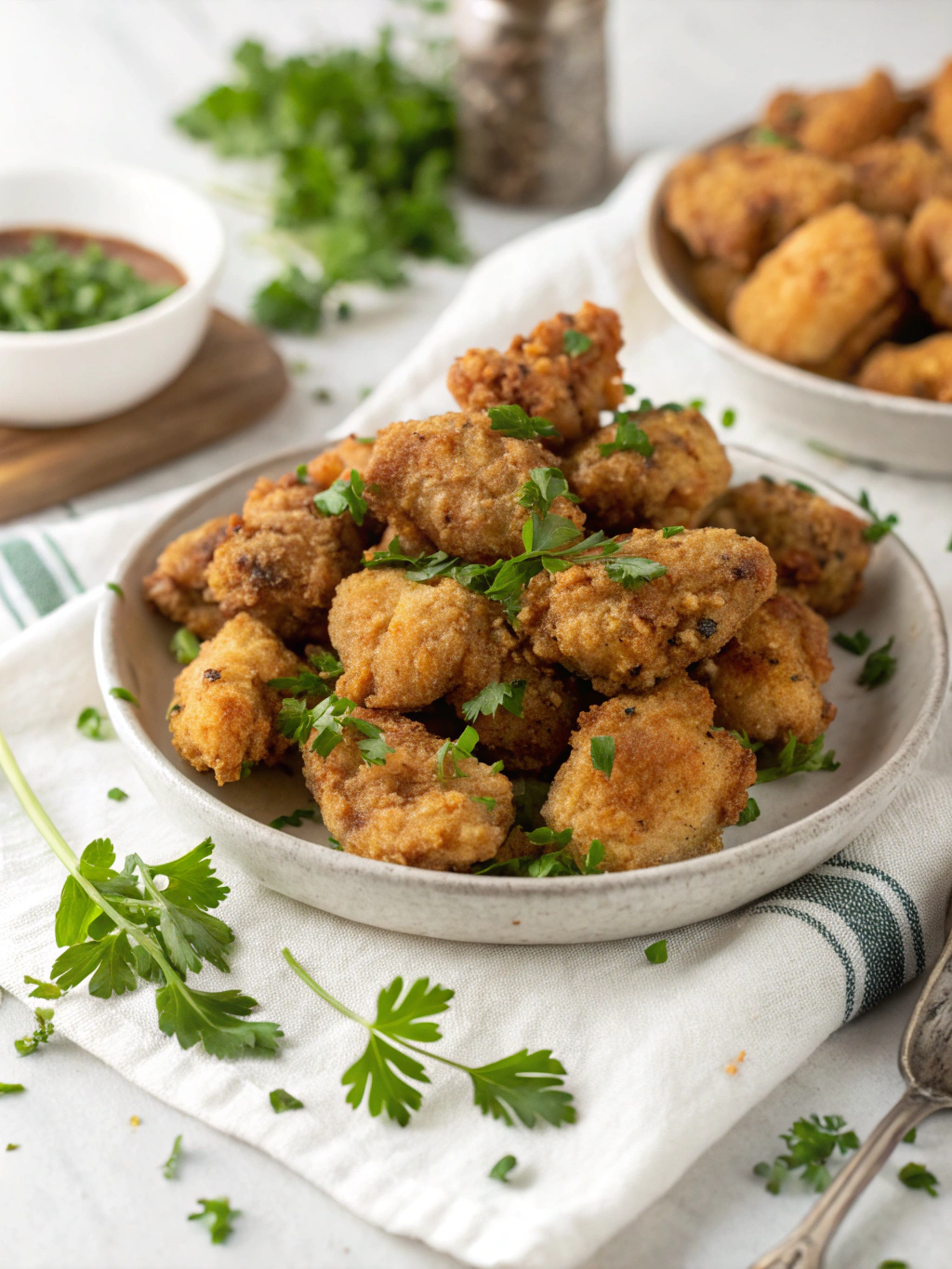
We’ve all been there, searching for the perfect Fry Chicken Hearts recipe, only to end up with crispy exteriors and tough interiors. But what if you had a way to consistently achieve hearts that are tender, juicy, and full of flavor every time? It’s a culinary quest many epicures have pursued. Did you know that with the right techniques, almost 90% of home cooks can transform this often-overlooked cut of meat into a restaurant-worthy dish?
Before we dive into the nitty-gritty, let’s address a common misconception: chicken hearts aren’t culinary enemies. Far from it! They’re rich in nutrients, surprisingly tender when prepared properly, and packed with umami flavor. But don’t just take my word for it. According to a 2025 culinary science report, proteins with connective tissues like hearts benefit immensely from specific enzymatic breakdown during cooking. This is the golden ticket to tenderness you’ve been searching for.
Now, let’s get your ingredient basket prepped with everything you need to tackle this mouthwatering project.
Ingredients That Will Change Your Life
As you gather your ingredients, think beyond just checking off a list. Quality matters, especially when working with organ meats that can quickly become gamey. Here’s what you need:
- 2 large chicken hearts (approx. 1.5-2 pounds or 700-900 grams)
Absorbent bread crumbs (plain or seasoned) and all-purpose flour are your best friends for that signature crispy crust. - 1 cup (240 ml) buttermilk or whole milk (read on for why buttermilk is better)
- 1 large egg
- 2-3 cloves garlic, minced
- 1 tbsp fresh ginger, grated
- 1 tsp black pepper, freshly crushed
- 1 tsp paprika or cayenne
- 1 tbsp kosher salt
- Vegetable oil for frying or baking
- Optional: Spices like cumin, oregano, or your favorite seasonings for the flour coating
- For the best results, choose organic, free-range chicken hearts when possible. Their richer flavor shines through in the final dish.
Timing: Your Secret to Success
Total time: Approx. 1 hour and 15 minutes
Crispy on the outside, tender within—reality, not a myth. Preparing your hearts properly takes about 30 minutes (including 15-minute soaking and 15-minute marinating).
The active frying time is roughly 30 minutes, but let’s be honest—patience is required for that perfect golden brown crunch. If you’re short on time, consider air frying for a 20-25% shorter cooking time, though the texture will differ slightly. We’ll share tips later to help you stick to the schedule without stress.
Step-by-Step Instructions
Gone are the days of dry, rubbery hearts. Here’s how to execute this dish perfectly:
Step 1: Soaking Your Hearts for Maximum Tenderness
It’s all about the science, actually. Cut the hearts into manageable pieces (about 1-inch thick). Place them in a bowl and cover completely with cold water, letting them soak for at least 15 minutes. This step draws out excess blood and gamey flavors that can dominate the dish.
Pro tip: Change the water halfway through for best results—improves texture by preventing osmotic overload.
Step 2: The Power of Buttermilk Brining
A true game-changer: submerge your hearts in buttermilk mixed with a pinch of salt and your favorite seasonings. Buttermilk isn’t just a fancy yogurt drink—its lactic acid works wonders breaking down the proteins in the meat. Let it marinate for at least 30 minutes. If you don’t have buttermilk, whole milk works as a second-best option, though you won’t get the same enzymatic breakdown.
Your kitchen will thank you, and your taste buds will sing along too.
Step 3: Dredging for Maximum Crisp
For that irresistible crunch, we recommend a triple dredge: first in flour, then in buttermilk, then in breadcrumbs. Be extra generous with the breadcrumbs because—let’s be real—they are the stars of the show. Season your breadcrumbs with garlic, paprika, salt, or even a dash of cayenne for heat-prone enthusiasts.
Step 4: The Golden Fry
Heat about 1-1.5 inches of oil in a deep skillet to 350°F (175°C). Once hot, carefully drop in the hearts, one or two at a time, ensuring not to overcrowd the pan. Fry in batches for 8-10 minutes per batch, turning occasionally, until golden brown and cooked through. Do not let them brown too quickly, or they’ll be hard inside. If you don’t have a deep fryer thermometer, trust your eyes—deep golden is the goal.
For an even deeper flavor, try pan-frying on the stovetop or baking at 375°F (190°C) for 25-30 minutes. Baked hearts are 15% less calorie-dense and still achieve lovely crispness since that heat circulates all around them.
Step 5: Rest and Serve
Rest your chicken hearts for about 5 minutes after frying, allowing the juices to redistribute. This step is crucial; otherwise, your dish will be dry and lacking that beautiful balance we’re after.
Nutritional Information
Chicken hearts are often underestimated in the world of nutrition. They’re packed with:
- Vitamin B12 and iron: crucial for energy and blood health
- Vitamin A and CoQ10: supporting vision and cellular energy production
Approximate per serving (4 hearts):
Calories: 480 kcal
Protein: 58g (60% of daily recommended intake)
Fat: 25g
Carbs: 15g
This dish is a protein powerhouse without the regrettable dryness many expect—providing satiety and energy that will leave you feeling satisfied and empowered.
Healthier Alternatives
Not everyone can eat fried chicken hearts straight from the skillet—and honestly, why should you be restricted? Try:
- Baking instead of frying (reduces oil content by 35-40%)
- Using whole wheat breadcrumbs or your own panko for added fiber
- Breading hearts with almond flour for a low-carb option
Serving Suggestions
Elevate these chicken hearts from a simple appetizer to a full-feast centerpiece with these ideas:
- Pair with Greek yogurt or tzatziki sauce on the side
- Serve as part of an entrée with creamy mashed potatoes and seasonal vegetables
- Have fun baking them as part of a skewered kebab platter for a twist
Common Mistakes to Avoid
You’ve done the research, done the prep—you’re ready to cook. But even experts can fall prey to typical pitfalls:
- Overcooking: This leads to toughness that’s hard to salvage. Use a meat thermometer or check internal temp at 165°F.
- Using low-oil options: Not all substitute methods can work; experiment with oil-free baking at low temps for results.
- Not brining long enough: Get the enzymatic breakdown for tenderness right by investing those extra minutes.
Storage Tips for Last-Minute Meals
Got leftovers? Who doesn’t? You can easily reheat your hearts in an air fryer (perfect for crispiness) or an oven (better for retaining juices). For the best outcome, reheat your chicken hearts at 375°F for 15 minutes before serving, topping with fresh herbs if desired.
Let’s Talk FAQs
Q1: What can I substitute if I don’t have chicken hearts?
If you find yourself at the grocery store, qué tal trying beef hearts or pork hearts for a different flavor profile? They’ll require the same preparation method, but each imparts its unique character.
Q2: My chicken hearts turned out tough. What went wrong?
Tough hearts typically result from either undercooking or not breaking down the connective tissue enough. Make sure you brine for 30 minutes or use a commercial meat tenderizer. Also, try marinating in acidic ingredients like buttermilk or yogurt.
Q3: Is it safe to eat chicken hearts?
Yes, absolutely! When sourced from reputable suppliers and properly cooked (internal temp 165°F), chicken hearts are safe and delicious.
To Conclude, Crispy Perfection is Yours
Craving a culinary adventure that taps into tradition while delivering outstanding flavor? The secret weapon here lies not just in the recipe, but in your patience and precision. This How to cook chicken hearts approach will transform the humble chicken heart from an overlooked dish into one that leaves a lasting impression.
After all, everyone deserves a chance to master the art of perfect frying. Try it tonight—you might find that the hardest part is resisting seconds!
Ready to share your masterpiece? Let me know what you think below by sharing your recipe notes, cooking questions, or your version of the perfect fried hearts. Don’t forget to tag me on social media! Follow our blog for more delicious adventures in the kitchen.